
The Real Orlando: How to Choose Where to Live Beyond the Theme Parks
The Orlando you vacation in is not the Orlando most people live in. After 24 years and close to 4,000 closings, Jared Jones maps the real metro, where your whole week can change inside a 10-minute drive, and shows how to pick the area that fits your 2026 move.
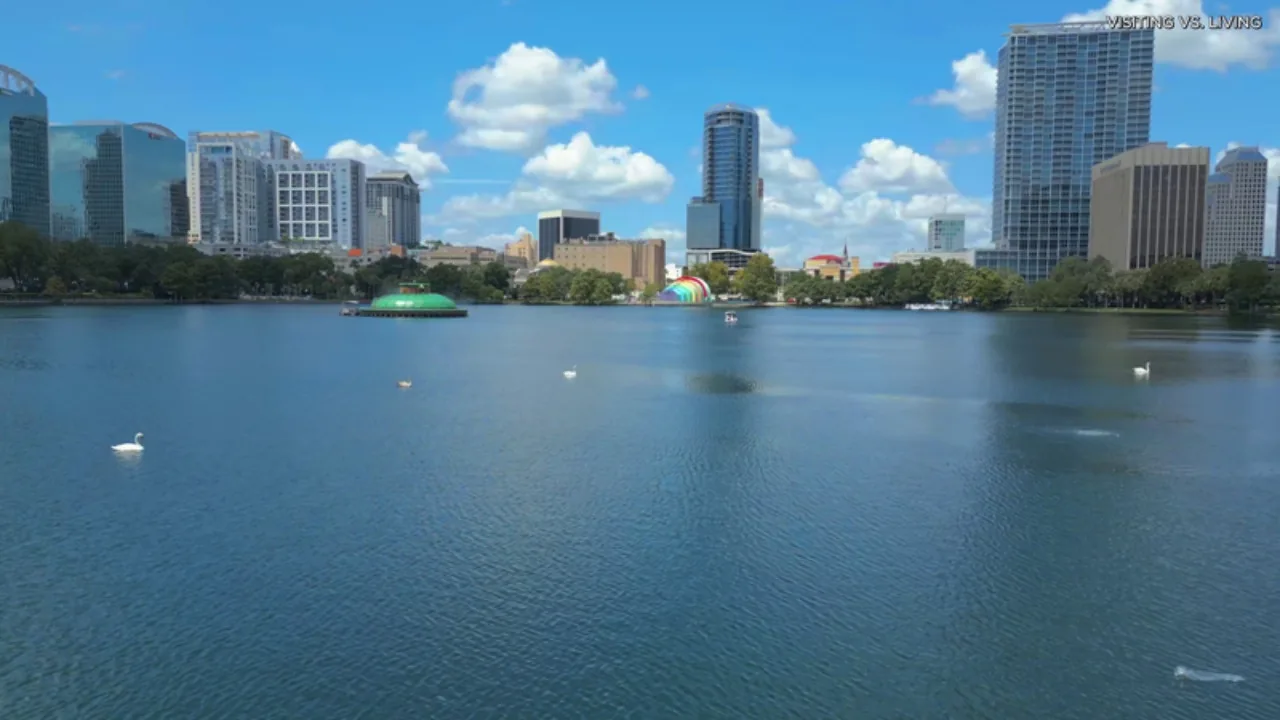
Lake Eola and the downtown skyline, the everyday Orlando that sits well beyond the theme park corridor.
What to Know
The real Orlando at a glance
The lived-in Orlando is many different communities, from historic lakefront pockets to new master-planned areas, and daily life can change inside a 10-minute drive.
Tourism is only one engine. A 7 billion dollar modeling and simulation sector, Lake Nona medicine and Space Coast aerospace spread demand across the map.
Jared does not rank areas. He tells buyers to start with where they will work and the life they want, not a zip code someone ranked number one online.
The real Orlando is not the theme park corridor visitors picture. After 24 years in real estate and close to 4,000 homes sold, Jared Jones maps a metro of historic lakefront neighborhoods, walkable downtowns, medical and tech hubs, and new master-planned communities, where your daily life can change inside a 10-minute drive.
What is the real Orlando beyond the theme parks?
Most newcomers picture one Orlando: theme parks, International Drive, outlet malls and bumper-to-bumper traffic on I-4. That corridor is real, and tourism is one of the region’s biggest economic engines, but it is not where most residents build their lives. Jared grew up here, sold real estate in Las Vegas for 12 years, and moved back to Central Florida in 2015, so he knows the trap of judging a city by its vacation version.
The lived-in Orlando is a wide collection of very different communities: historic lakefront neighborhoods, small walkable downtowns, medical and tech corridors, new master-planned communities and pockets of acreage on the edges. Choose the wrong one for your routine, Jared warns, and it is not a bad weekend, it is several years spent commuting and compromising in a place that never fit. For a shorter companion read, see his take on where to live when you move to Orlando.
How do Orlando’s areas change in a 10-minute drive?
Jared points out a pattern he sees across the metro: two homes about a 12-minute drive apart can carry a similar price and look almost identical in the listings, yet hand you completely different lives. One opens onto a walkable historic center, the other onto a lake and boating culture, a third onto a new neighborhood with resort amenities and a longer drive to work. He does not rank these areas. Here is how a few of them differ.
Winter Park and the historic lakefront pockets
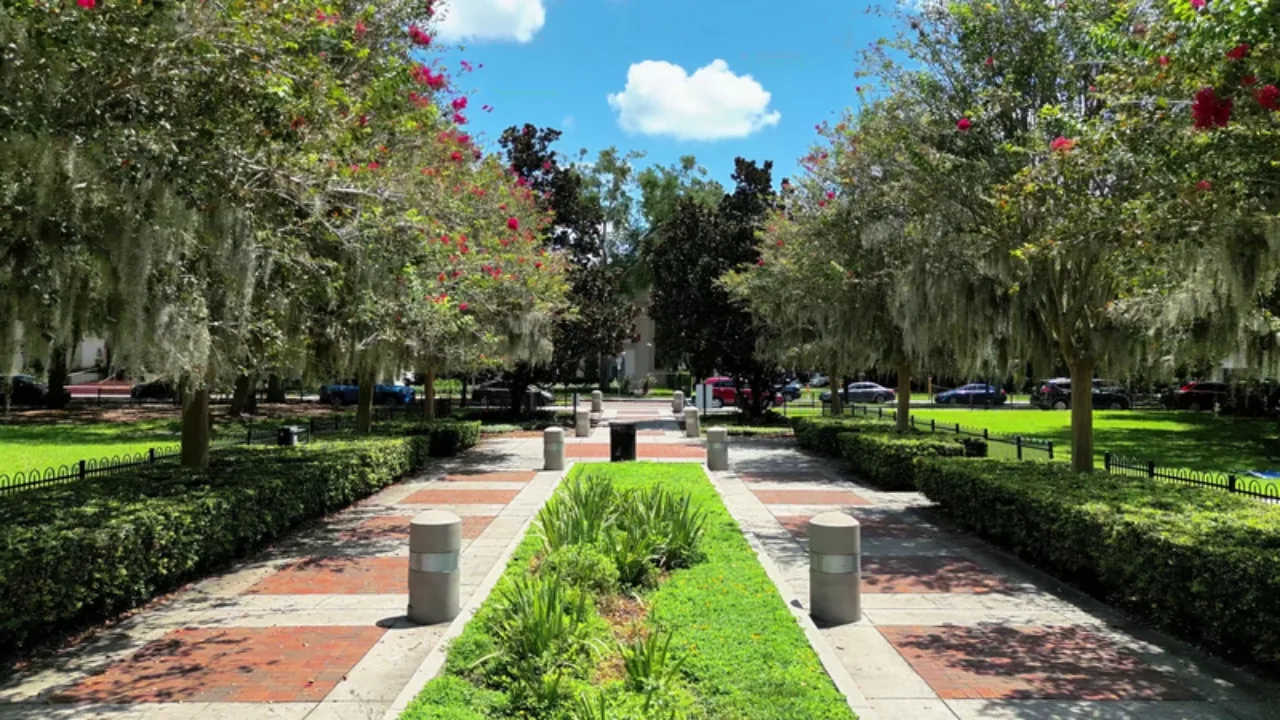
Brick walkways and old oaks are part of what sets Orlando’s established lakefront areas apart from the tourist corridor.
Winter Park is brick streets, oak canopies, Park Avenue and a network of lakes lined with century-old homes. Jared’s read is simple scarcity: no one is building new brick streets under 100-year-old oaks, so location, not square footage, sets the price. That same logic runs through Orlando’s older lakefront neighborhoods like College Park and Lake Eola Heights. If you are weighing established areas, compare how Winter Park stacks up against Windermere, or watch Jared’s full Winter Park neighborhood guide on YouTube.
Winter Garden and Horizon West
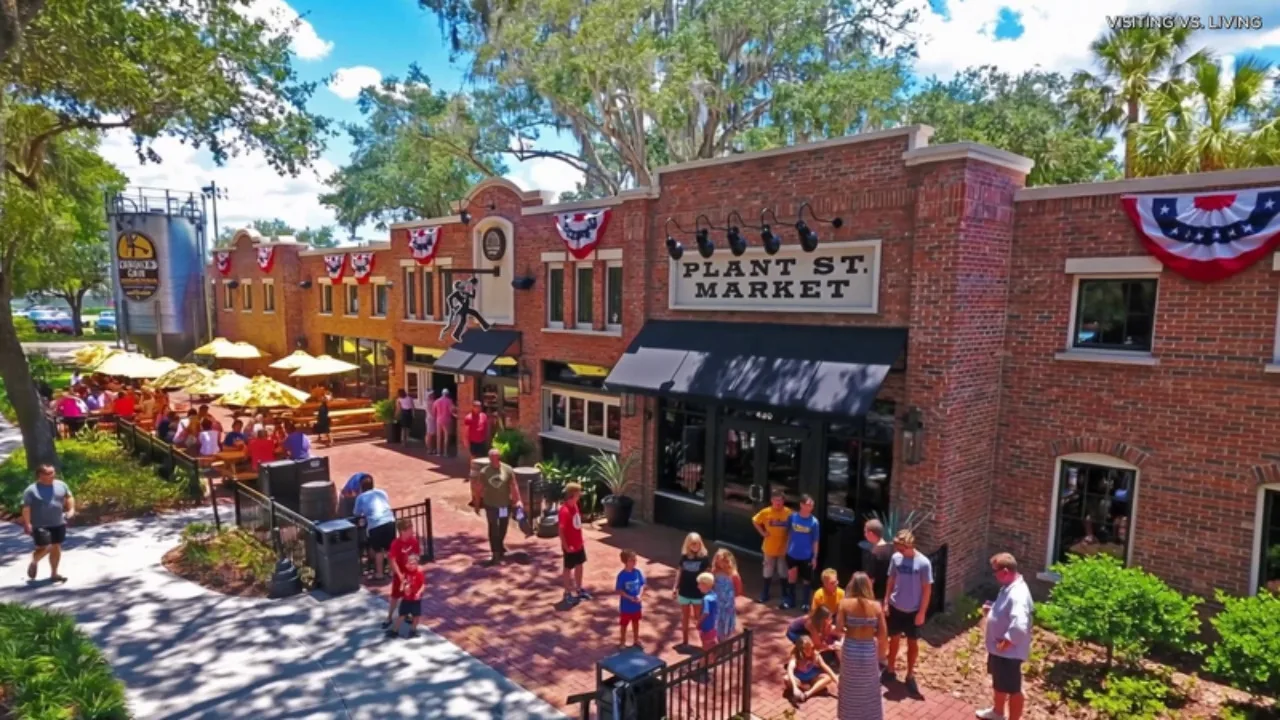
Small, walkable downtowns with brick storefronts and outdoor dining are part of the real Central Florida.
West of the city, Winter Garden splits into two markets. One side is the historic, early-1900s downtown built for walking, with Plant Street at its center, a weekend farmers market and the West Orange Trail. The south side is one of the most active new-construction zones in the region, with a huge selection of homes where commute time, CDD and HOA fees, and the builder phase you buy into all matter. Start with the full guide to living in Winter Garden and the wider Winter Garden and Horizon West real estate hub. For the planned-community side, the Horizon West neighborhoods guide breaks down villages, fees and commute times, and this covers the new construction coming to Winter Garden.
Lake Nona, Dr. Phillips and Windermere
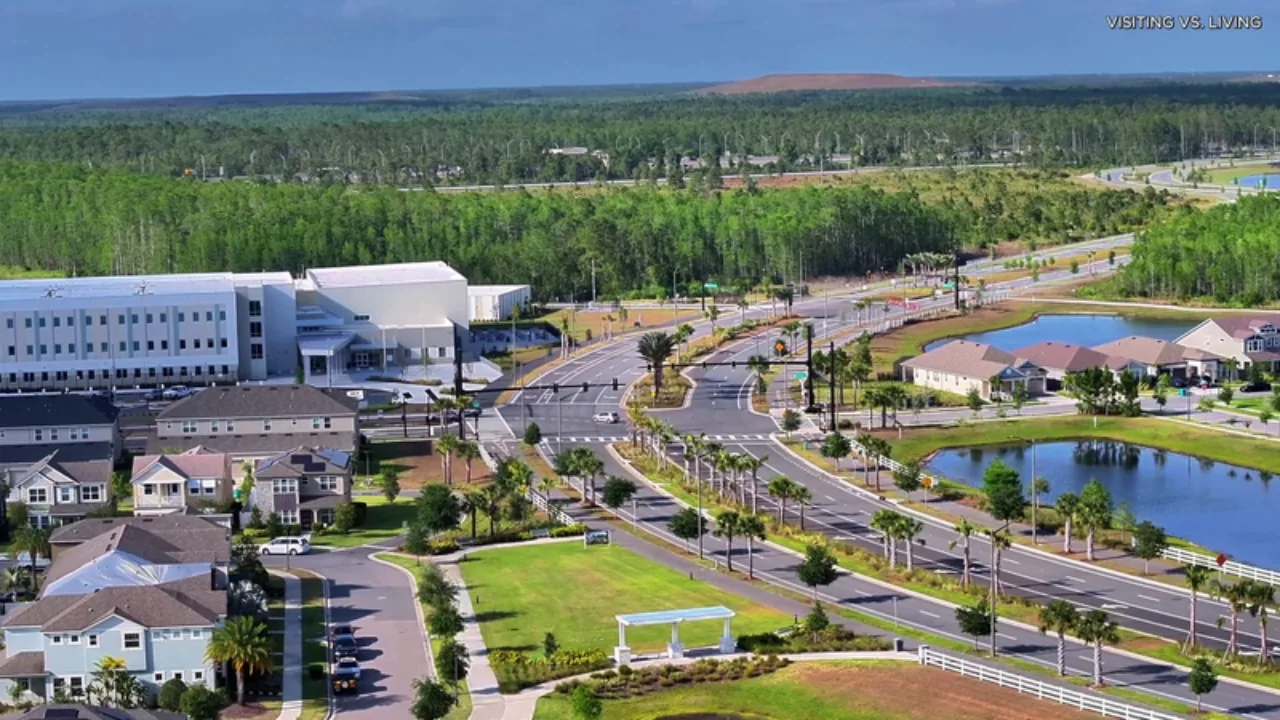
Newer master-planned areas are often built around a medical, education or office core.
To the east, Lake Nona is new master-planned living built around medicine, education and innovation, a strong fit if your work is nearby, though it comes with utility costs and phases that are still filling in. To the southwest, Dr. Phillips and Windermere are established, higher-end areas near the Butler Chain of Lakes and a restaurant district, close to parks without feeling like the tourist corridor. One street or one lake can move the price a long way. See the day-to-day in life, costs and trade-offs in Lake Nona and what living in Dr. Phillips is really like.
Clermont, Lake Mary and Kissimmee
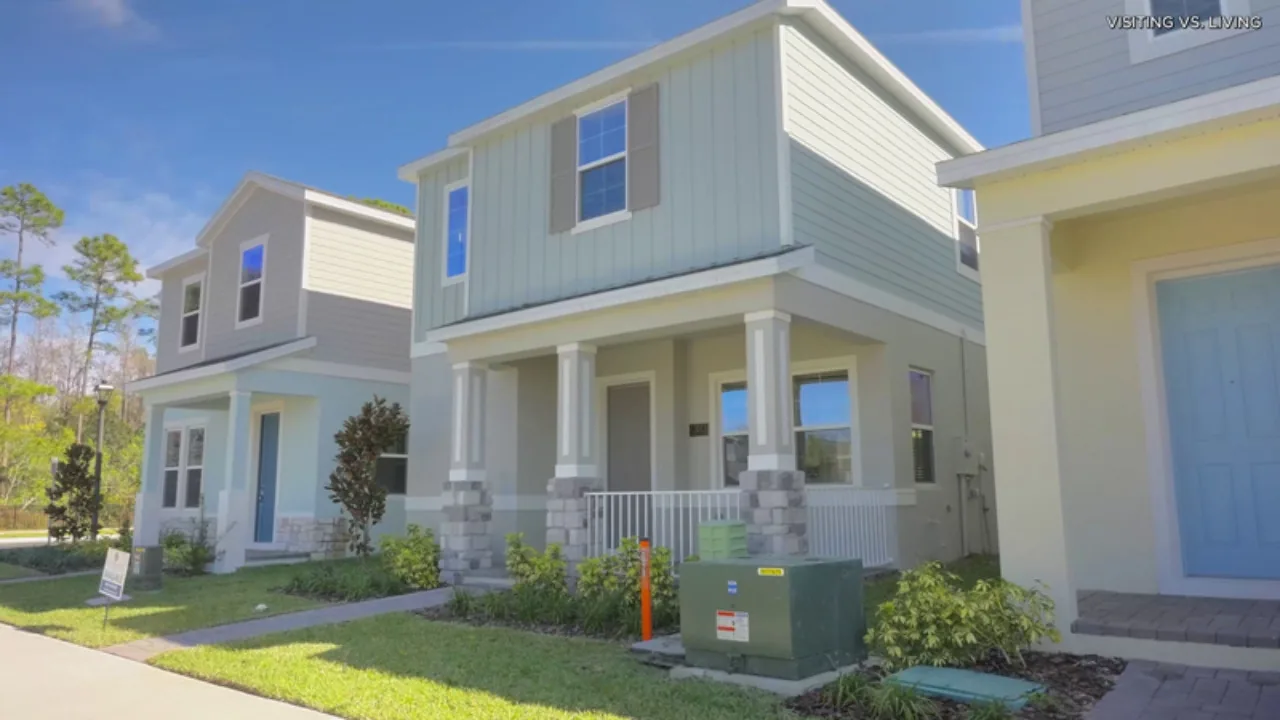
The outer corridors keep adding new homes, where builders compete on price, incentives and move-in timing.
Further west, Clermont and Minneola bring rolling hills that pass for mountains by Florida standards, lakes everywhere and new homes mixed with older ones, balanced against a western-suburb commute. To the north, Lake Mary and Heathrow are office corridors where the drive is built around I-4 north and SR 417 rather than parks. On the south side, Kissimmee is growing fast with newer product and some of the most affordable prices in the region, though it helps to know which areas lean toward permanent residence and which toward short-term rentals, especially on the western edge. For one of these in depth, see living in Clermont and its rolling hills.
Is Orlando’s economy really just tourism?
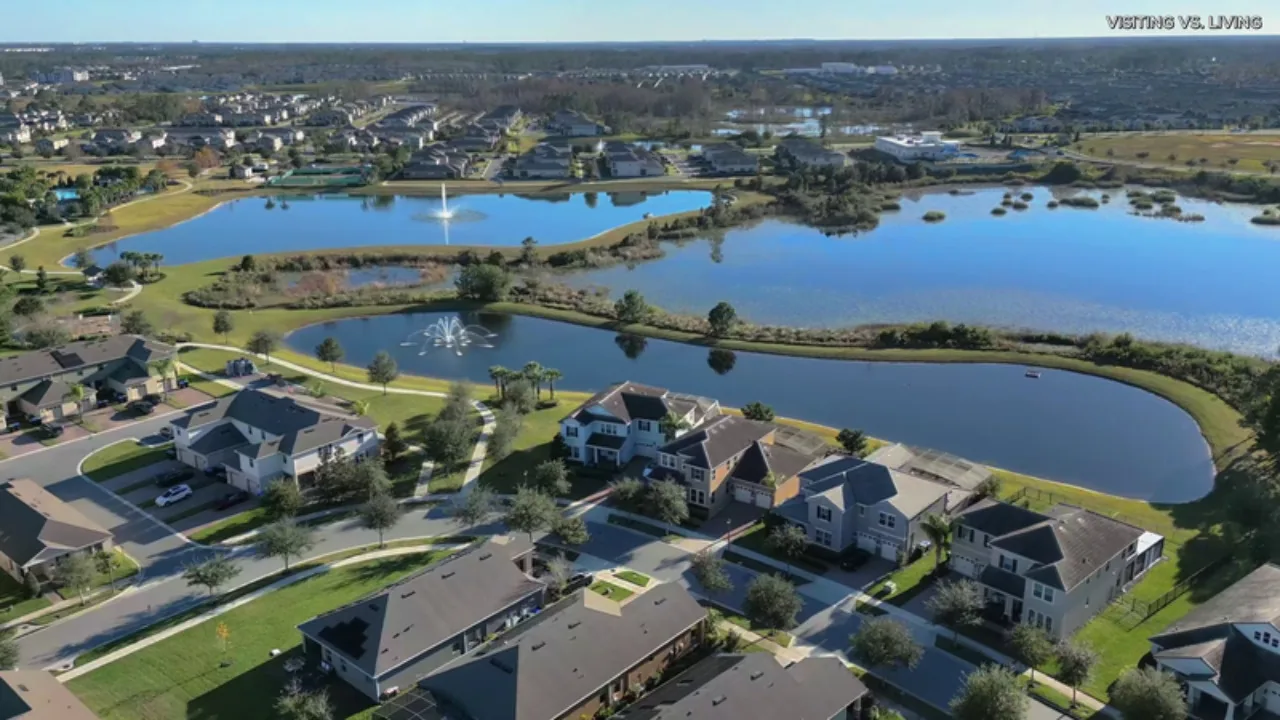
Several job engines, not just tourism, decide which parts of the metro draw new homes.
Tourism is a major part of the story, not the whole story. Next to UCF, the modeling and simulation sector anchors Army, Navy, Air Force and Marine Corps training commands inside the roughly 1,027-acre Central Florida Research Park, and the region pulls about 7 billion dollars a year in modeling, simulation and training contracts tied to names like Lockheed Martin, Raytheon and Northrop Grumman, per the regional economic development data. Add Lake Nona’s medical and innovation cluster and Space Coast aerospace work, and demand spreads across several corners of the metro at once. For more on that shift, see how Orlando’s jobs and population are moving.
The growth numbers back it up. U.S. Census Vintage 2025 estimates show the Orlando metro added 37,690 residents between July 2024 and July 2025, the 10th-largest numeric gain among U.S. metros, pushing the population to about 2.96 million. Jared’s caution is worth keeping: more people does not automatically send prices higher. Values have been fairly stable for three to four years, helped by a steady pace of new construction that keeps meeting demand.
Why does lake life shape where people live in Orlando?
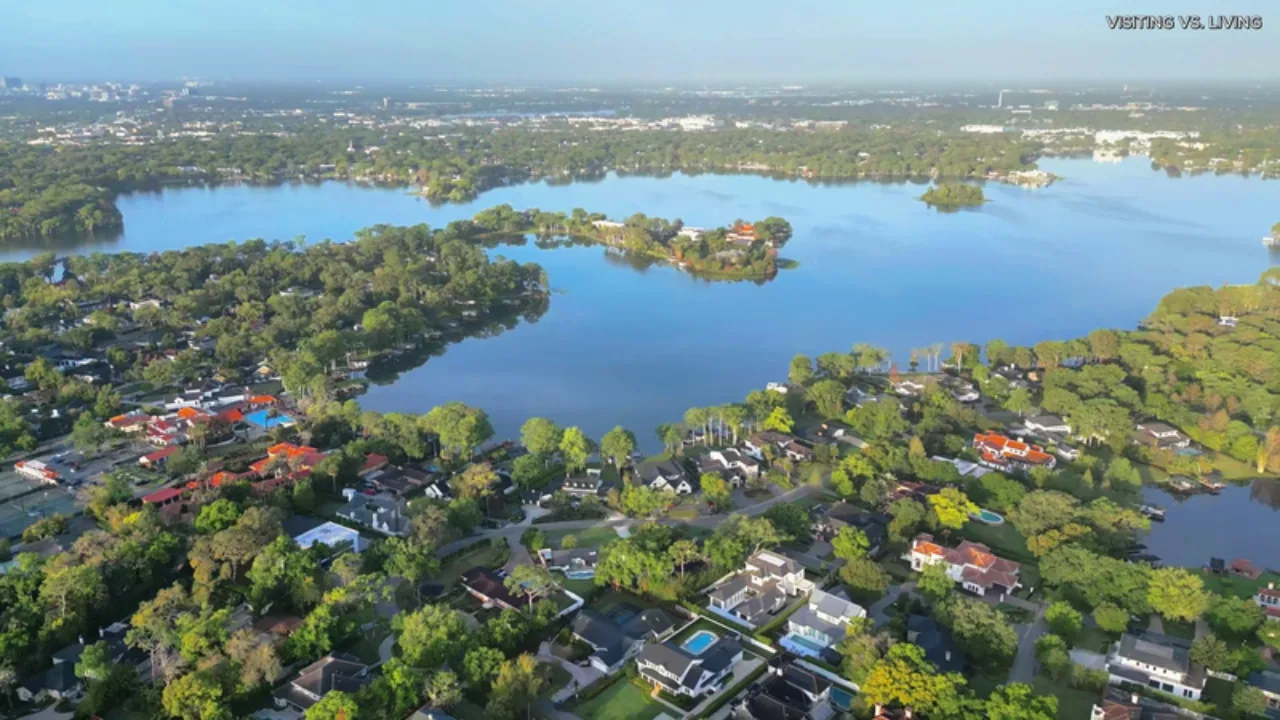
Orlando is a lake metro, and for many residents the water is the whole point of where they live.
Orlando is not a beach city and should not pretend to be one, but the water shapes daily life more than visitors expect. The metro is covered in lakes, and for many residents boating, paddleboarding at dawn and a dock in the backyard are the whole point. Springs like Wekiwa and Rock Springs sit close by, and both coasts are realistic day trips, so you can reach the beach without living on it during hurricane season.
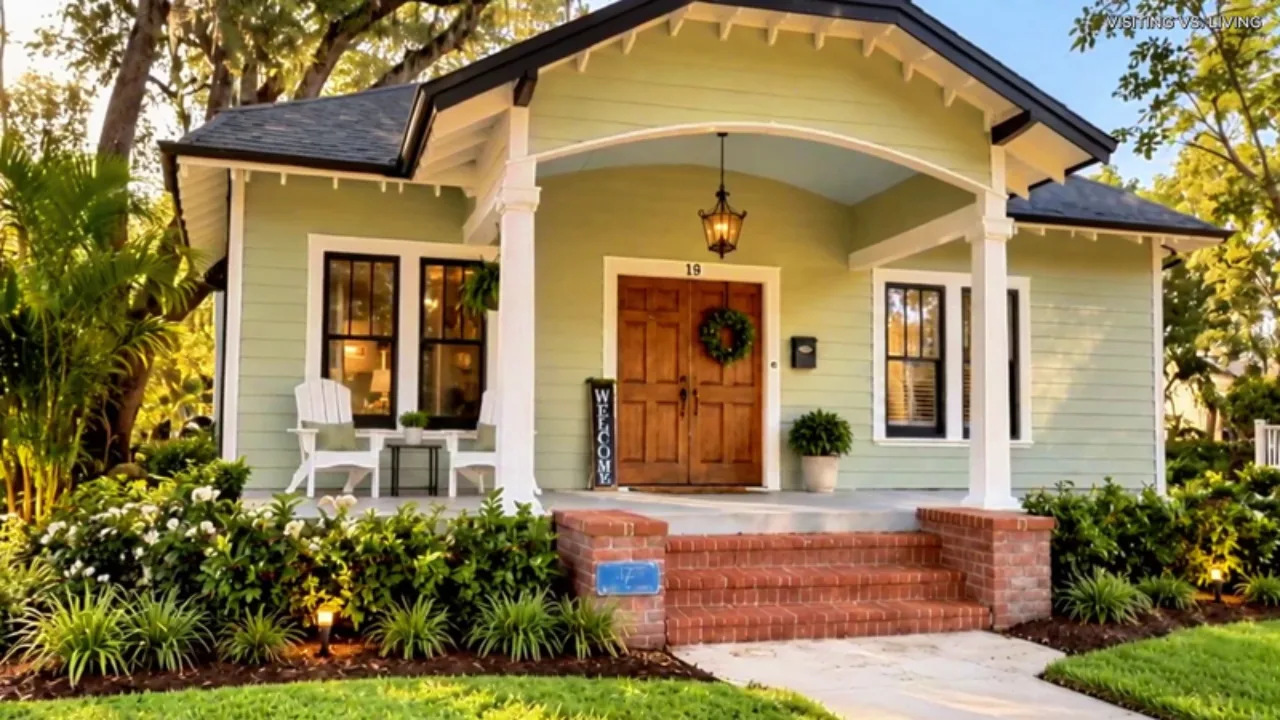
An older bungalow in an established neighborhood offers a different week than a new lakeside build.
That is why one buyer wants a pier on the lakeshore, another wants a walkable city center, and a third wants a new community with a resort pool. Those are three different buyers who belong in three different parts of the metro, which is exactly why the area has to match the life, not the brochure.
How should you choose where to live in the real Orlando?

If you cross the metro on a toll road every day, the commute and the monthly toll bill belong in your budget.
Jared’s advice is to start with your real life, not a zip code someone online ranked number one. His team asks where you will work before it asks about budget, because the commute sets the short list of areas that make sense. A useful way to think about supply is as separate baskets: the irreplaceable historic lakefront streets that cannot be rebuilt, and the fast-growing outer corridors where builders compete on price and incentives while resale homes compete with new construction on the same block. Headlines that say Orlando prices are down and listings are up mean little until you ask where, what type of home and at what price.
The carrying cost matters as much as the sticker. A cheaper new home is not automatically cheaper once you add CDD and HOA fees, insurance, a longer drive, fuel and toll costs, and upgrades through the design center. An established area may command more because that lifestyle cannot be copied elsewhere, and neither choice is right for every buyer. Price every line item for a specific address, and lean on resources like the true cost of living in Orlando before you compare listings.
The real Orlando by the numbers
Figures from U.S. Census Vintage 2025 estimates and Central Florida’s modeling and simulation sector. Confirm current numbers before you lean on them for a specific decision.
A light real estate read
Micro-location decides more than the area name. Two homes 12 minutes apart can sit at a similar price and hand you completely different weeks: one walks to a historic downtown, one opens to a lake and a boat dock, one sits in a new community with a resort pool but a longer drive to work. Inside each area, the street you pick, the lake frontage and the builder phase move both the price and the daily routine.
Jared has sold across these areas for 24 years and does not crown a winner. The useful exercise is matching the trade-offs to your own schedule, then pricing every line item for a specific address before you compare listings side by side.
The Takeaway
There is no single right answer in the real Orlando, and Jared does not rank areas. The deciding factors are personal: where you work, whether you want a lake, a walkable downtown, a new build or a few acres, and how much commute and carrying cost you will accept for the home you want. Start with the life you plan to live here, then let the map follow it. If you want help lining up areas, builders and timing, the Jared Jones Team can walk you through it.
FAQ
What is the real Orlando like beyond the theme parks?
Beyond the tourist corridor, Orlando is a wide mix of communities: historic lakefront neighborhoods, walkable small downtowns, medical and tech corridors, new master-planned communities and acreage on the edges. Jared Jones says your daily routine can change inside a 10-minute drive, so the area that fits your commute and lifestyle matters more than the version you saw on vacation.
Which counties make up the Orlando metro area?
The Orlando-Kissimmee-Sanford metropolitan area covers four counties: Orange, Osceola, Seminole and Lake. The city of Orlando is only a small part of it, and the metro also includes lake communities, suburban corridors and master-planned areas separated by lakes, wetlands, toll roads and commuter routes.
Is Orlando’s economy only about tourism?
No. Tourism is a major engine, but Central Florida also anchors a modeling, simulation and training sector that pulls roughly 7 billion dollars a year in contracts near the Central Florida Research Park and UCF, plus a medical and innovation cluster at Lake Nona and aerospace work tied to the Space Coast. Those drivers push housing demand into different parts of the metro.
How fast is the Orlando area growing?
U.S. Census Vintage 2025 estimates show the Orlando metro added 37,690 residents between July 2024 and July 2025, the 10th-largest numeric gain among U.S. metros, reaching about 2.96 million people. Jared notes that steady growth has not sent prices sharply higher, partly because builders keep adding new homes.
How should I choose where to live when moving to Orlando?
Jared’s advice is to start with your real life, not a zip code someone ranked number one online. Decide where you will work and how you want to spend your week, then weigh home type, commute, and the full carrying cost including CDD, HOA, insurance and tolls. The Jared Jones Team maps areas to your routine before you tour a single model home.
Links and Sources
The Jared Jones Team guides
- Where to live when you move to Orlando in 2026
- The true cost of living in Orlando in 2026
- How Orlando is changing: jobs, population and transit
- Living in Orlando’s historic neighborhoods: College Park and Lake Eola Heights
- Living in Lake Nona: neighborhoods, costs and trade-offs
- What it is like to live in Dr. Phillips
- Living in Clermont, Florida in 2026
- Living in Winter Garden, Florida: the 2026 guide
- Winter Garden and Horizon West real estate hub
- Horizon West neighborhoods guide: villages, fees and commute
- New construction coming to Winter Garden in 2026
Video
- Watch Jared’s full walk through the real Orlando on YouTube
- Jared’s complete Winter Park neighborhood guide on YouTube
- Jared on where he would buy acreage near Orlando
Sources
- U.S. Census Bureau, Vintage 2025 metropolitan population estimates
- University of Central Florida, Modeling and Simulation
- Orlando Economic Partnership, modeling, simulation and training industry
- University of Central Florida, Navy agreement at Central Florida Research Park
- Central Florida Expressway Authority, toll road information
Thinking about buying or selling in Central Florida?
Get a straight read on the areas, commutes and carrying costs that fit your plans. Call or text 407-706-5000 or email info@jaredjones.com.