
Orlando Scraps the Leu Gardens Master Plan
The City of Orlando has stopped the conceptual master plan to overhaul Harry P. Leu Gardens, pointing to neighborhood pushback and uncertainty over Amendment 3 and future property tax revenue. Here is what was on the table, why it stalled, and what it signals for the historic neighborhoods around Lake Rowena.

Harry P. Leu Gardens spans roughly 50 acres along Lake Rowena in Orlando. The city has paused a decade-long plan to modernize it.
Image: Harry P. Leu Gardens
What to Know
The Leu Gardens decision in brief
A high-profile Orlando parks plan has been shelved after residents around Lake Rowena raised concerns and the city flagged financial uncertainty ahead of the November tax vote.
The master plan is off the table. Orlando announced on August 24, 2026 it will not move forward with the conceptual plan or the master planning process for Harry P. Leu Gardens.
Two reasons cited. Neighborhood feedback on traffic and privacy, plus uncertainty around Amendment 3 and future property tax revenue that would have helped fund the work.
Upkeep still continues. Routine maintenance, repairs, and aging-infrastructure fixes at the 50-acre garden will go on even though the big redesign is paused.
Yes, Orlando has canceled the current plan. On August 24, 2026, the City of Orlando announced it will not move forward with its conceptual master plan to overhaul Harry P. Leu Gardens, citing neighborhood feedback and uncertainty over Amendment 3 and future property tax revenue. Routine maintenance and infrastructure repairs at the 50-acre garden will still continue.
According to reporting by Manny Martinez for FOX 35 Orlando, the multi-million dollar redesign had called for a children’s garden, a new visitor center, expanded parking, and more. Those plans are now scrapped. FOX 35 first reported the proposed upgrades in October 2025, and by this spring residents living near the gardens were showing up to community meetings with pointed questions about traffic, noise, and how much the character of the place would change.
What the master plan would have added
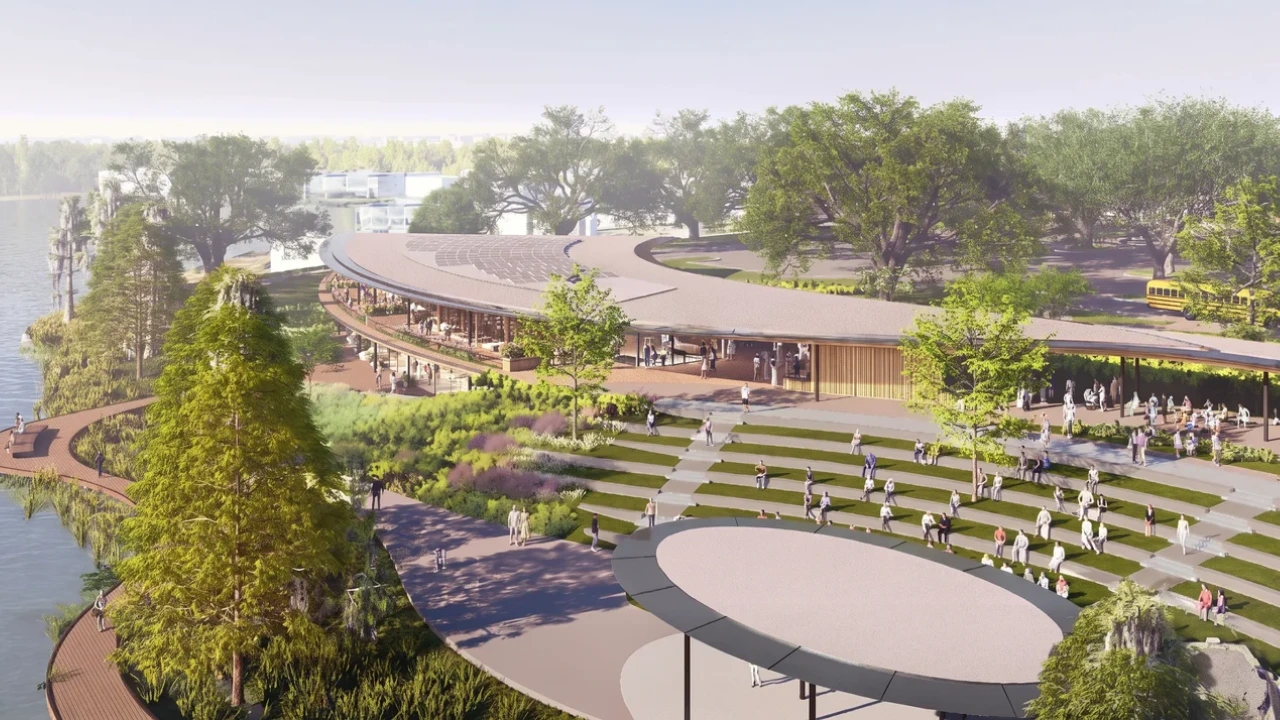
The conceptual plan was pitched as a decade-long, phased modernization of one of Central Florida’s premier public gardens. Early concepts sketched out a new visitor center complex with lakefront dining and a retail plant shop, an outdoor pavilion for concerts and programming, a children’s garden built around nature-based play, and expanded parking that planners said was meant to ease spillover into surrounding streets. Modernized horticultural facilities and upgrades to signature collections were also part of the vision.
Managers at Harry P. Leu Gardens framed the plan as a way to keep pace with growth. Annual visitation has climbed to nearly 300,000 guests, roughly triple the volume the 1995 visitor center was built to handle. The counterpoint from neighbors was simple: more visitors and more parking means more cars, more activity, and less quiet on the streets that ring Lake Rowena.
Why the city hit pause
Orlando gave two reasons. The first was the volume of community feedback. Residents who live around the gardens turned out to public meetings, wrote emails, and pressed city staff on how a larger visitor hub would affect their streets. Ruth Hinsey, who bought her Rowena Gardens home from the gardens’ namesake in 1967 and has lived there ever since, worried about parking and the flow of people coming and going. Neighbor Briana Johnson, who lives about two houses from the service entrance, objected to a large maintenance facility proposed near her backyard and said she was pleasantly surprised the plans were dropped.
The second reason is money. The city pointed to uncertainty around Amendment 3 and what happens to property tax revenue that would help pay for a project of this scale. State Representative Anna Eskamani publicly backed the decision to slow down, thanking the residents who showed up and framing the pause as public process working the way it should.
Leu Gardens by the numbers
The figures explain both the pressure to modernize and the caution around a large capital plan while the state’s property tax picture is unsettled.
What still happens at the gardens
Pausing the master plan does not mean the gardens stand still. The city was clear that day-to-day care continues: necessary repairs, work on aging infrastructure, upkeep of existing buildings and grounds, and improvements needed to operate the 50-acre site safely. The broader redesign is what is on hold, not the maintenance that keeps the gardens open and running.
City officials also signaled the door is not permanently closed. Their statement acknowledged that residents care deeply about the gardens and want any future plan to reflect their character and history, and promised to keep the community informed as decisions are made. Whether a revised, smaller-scale plan returns later, and what it would include, is still an open question.
Amendment 3 and the property tax question
The financial uncertainty the city cited is not abstract. On November 3, 2026, Florida voters decide Amendment 3, which would raise the homestead exemption for non-school taxes to $150,000 in 2027 and $250,000 in 2028, and cut the assessment cap on non-homestead properties from 10 percent to 5 percent. It needs 60 percent approval to pass. State estimates put the recurring hit to local non-school property tax revenue at roughly $11.9 billion a year, and the measure also narrows what cities can spend property tax dollars on. For a city weighing a multi-million dollar garden expansion, that is a large unknown to build a budget around.
A light real estate read on Lake Rowena
For the neighborhoods wrapped around Leu Gardens, from Rowena Gardens to Audubon Park and the edges of Mills 50, this outcome tends to reinforce what already makes them desirable: mature streets, historic character, and a quiet, walkable relationship to a landmark that draws visitors without turning the surrounding blocks into a thoroughfare. Buyers in this pocket are usually paying for stability and setting, and a decision that protects the low-traffic feel of the area lines up with that.
The bigger read is that Amendment 3 is now a variable in almost every Central Florida conversation, not just civic ones. If it passes, homeowners see a larger exemption while cities and counties rework budgets, which can ripple into services, capital projects, and the pace of public investment near where you live. Whether you own around Lake Rowena or are watching values across the metro, it is worth understanding before November.
The Takeaway
Orlando listened to its neighbors and paused a plan that many felt was too big and too fast for a beloved 50-acre garden. Maintenance continues, the redesign is shelved, and the city left room to revisit the idea in a form that fits the character of Lake Rowena.
The quieter story is Amendment 3. The same tax uncertainty that helped stall this plan is on the ballot in November and will shape how Central Florida communities budget and grow. That makes it worth understanding for anyone buying, selling, or holding property in the area.
FAQ
Did Orlando cancel the Leu Gardens master plan?
Yes. On August 24, 2026, the City of Orlando announced it would not move forward with the conceptual master plan or the master planning process for Harry P. Leu Gardens, citing community feedback and uncertainty over Amendment 3 and future property tax revenue.
What was in the proposed Leu Gardens plan?
The decade-long conceptual plan included a new visitor center complex with lakefront dining and retail, an outdoor pavilion for concerts and programming, a children’s garden, expanded parking, and modernized horticultural facilities across the 50-acre site.
Why did neighbors oppose it?
Residents around Lake Rowena were concerned about added traffic, parking spillover, loss of privacy, and a proposed maintenance facility near backyards. Several told FOX 35 they were relieved the plan was dropped and hoped any future version better reflects the community.
Will Leu Gardens still get any improvements?
Yes. The city said routine maintenance continues: necessary repairs, aging-infrastructure fixes, upkeep of existing buildings and grounds, and improvements needed to operate the gardens safely. Only the broader master planning process is paused.
How does Amendment 3 factor in?
Florida voters decide Amendment 3 on November 3, 2026. It would raise the homestead exemption for non-school taxes to $150,000 in 2027 and $250,000 in 2028 and cut the non-homestead assessment cap from 10 percent to 5 percent. The revenue uncertainty it creates for cities was one reason Orlando paused the plan.
External Links & Related Reading
For readers who want the original reporting and the primary sources behind this story, these are the key references.
- FOX 35 Orlando: Orlando scraps Leu Gardens master plan after neighborhood concerns (by Manny Martinez)
- ClickOrlando: Orlando Leu Gardens master plan halted amid property tax concerns
- Statement from State Rep. Anna V. Eskamani on the pause of the Leu Gardens master plan
- Harry P. Leu Gardens: Master Plan (official page)
- Orange County: Property Tax Amendment 3 summary
Buying or selling near Lake Rowena?
Decisions like this shape the streets you live on and the value you build. When a move is on your radar in Orlando or anywhere in Central Florida, local context is everything.