Key Points:
-
• Central Florida’s looser building codes raise resilience concerns, though hurricanes often weaken to Category 1 by the time they reach Orlando, typically causing roof damage, power outages, and minor flooding.
-
• Flooding risks are highest for homes in flood zones, especially near lakes. Many new homes are outside these high-risk areas, as mapped by FEMA.
-
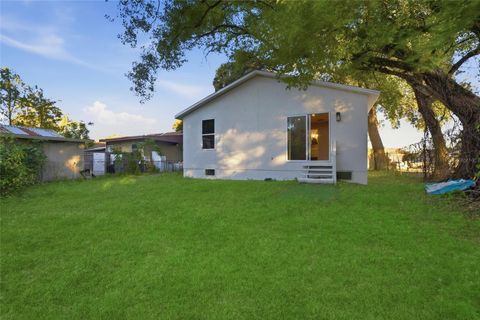
• Mobile homes and homes with large trees face added storm hazards, with mobile homes often under evacuation orders and untrimmed trees posing structural risks.
-
• Power outages are common; many residents now install generators or solar battery systems for essential backup.
-
• Residents should stock up on essentials and fuel early, as supplies often run low right before storms arrive. Evacuations are rarely needed for most in the Orlando area.
Hurricane Preparedness in Central Florida: What Homebuyers and Residents Need to Know
People are absolutely terrified when they consider the size and the magnitude of some of the storms that we get here in Central Florida.
I’ve heard it said that if we had a high Category 4 or a Category 5, it would absolutely flatten the city of Orlando and there would be nearly nothing left. The fact that our building codes across the center of the state are a bit looser than those along the coastline often leaves people concerned when it comes to purchasing a house here. I’ve even noticed when people put new windows in, they’re thinking, hey, I need to put in those ones they have in Miami.
But as a 20-plus-year real estate professional, someone who was actually born here, nay, I say a native, well, not that kind of native, but I’ve been through many storms.
I’m going to tell you exactly what you need to know, what you should avoid if you are moving to the Central Florida marketplace, and what you can expect once you live here if a massive storm comes our way. Welcome back to the channel. The concerns about this particular topic have stepped it up lately, particularly for two reasons.
Number one, over the past 10 years, a vast majority of the storms are coming in on the Gulf Side. They’re no longer coming up the Atlantic Coast, which means that we have a greater chance of a storm coming from the water and being literally an hour-and-20-minute drive away from the coast. So what that means is storms coming up that part of the state have a much shorter path coming inland to hit Florida.
And as we all know, the storms passing over land tends to diminish their strength. And you can imagine the opposite coast, which was like when I was a kid, a storm might come up through Miami, and it’s got a three- to four-hour drive time before it gets here. And knowing the storm is probably going 12 or 15 miles per hour, it oftentimes has a lot more ground to cover when it comes down the southeast.
And if it’s lucky, it’s a tropical storm by the time it hits Orlando. But is it really dangerous in Orlando, no matter where the hurricane comes from and how far it travels? Let’s take one of the shortest distances that the storm can arrive. We just had Hurricane Milton recently come from the Tampa, Sarasota area, which is approximately an hour-and-a-half drive before it makes Orlando.
And again, it’s going 12, 15 miles an hour. It takes longer than an hour-and-a-half for it to get here, but that’s not a ton of ground to cover to slow the storm down before it hits us. Hurricane Milton freaked a lot of people out because as it’s coming ashore, it was listed as a Category 5 a few different times before it eventually made landfall at a powerful Category 3. Well, by the time it hit Orlando, it was a Category 1. Now, keep this in mind.
With a Category 1, what we mostly deal with in Orlando is roof damage, fence damage, and power outages. Those are the most common. Now, if rainfall is excessive, there will be flooding in different parts of the area.
But I’m going to tell you how to be careful and avoid that if you do buy here. Well, Jerry, didn’t you say a Category 4 or 5 would flatten Orlando? But here’s the deal. I have polled Floridians in the area and I’ve asked them what they felt was the worst storm that they ever had to live through.
Now, my sample size is definitely sus, but overwhelmingly, I hear about two storms of late. People often bring up 2004’s Charlie as one of the worst storms in history. This is also confirmed by an online consensus.
Charlie arrived in 2004 as a powerful Category 4. Again, more powerful than the recent storm we just had with Milton. By the time Charlie arrived in Orlando, it was a Category 1 with sustained winds of around 85 miles per hour. Now, a lot of folks will say that Irma in 2017 was one of the most recent powerful storms that we’ve had.
That powerful storm had around a 75 mile per hour sustained winds when it hit. And there were a lot of trees and power lines down, things of that nature. But if you’re moving to Orlando, which is the most dangerous spots to live? What is the worst way to set yourself up knowing that we’re likely going to have a few powerful storms over a decade if you own a house here? Well, number one, mobile homes.
Maybe even mobile homes and houseboats. I say houseboats because someone made fame this most recent storm by staying in a houseboat in the Tampa Bay area while the storm was making landfall. Shout out to Lieutenant Dan.
But my friends, mobile homes are going to be the first to be told to evacuate if the storms get really crazy. As with any hurricane, there’s always a risk of tornadoes, particularly at the front side of the storm. And with tornadoes, mobile homes do not win.
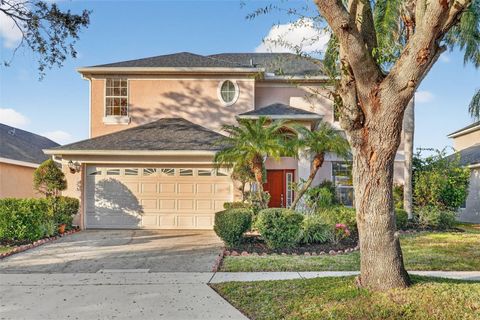
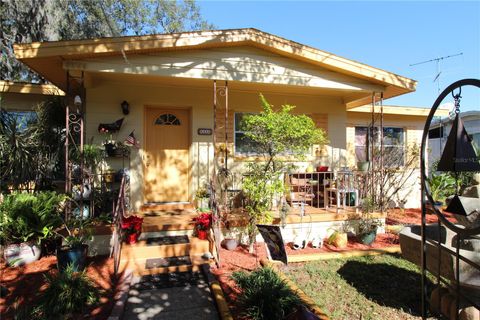
They are 0 in 1,000 in the battle to withstand a tornado’s damage. Number two, be careful of buying a house under large trees, under large oak branches, things of that nature, if you’re unwilling to do all the tree work to remove them. Now, flooding without a doubt is the number one casualty cause from the hurricanes.
An unsuspecting flash flood takes people out very quickly, and that’s a big danger. But there’s a lot of random stories of people sleeping in their bed and having a tree collapse on their house and crush them underneath. Even in this past storm with Milton, I saw friends posting pictures of their neighbors having massive tree limbs fall and crush SUVs.

Flood Zone Risks in Central Florida Real Estate
If you live in a flood zone, even in the central Florida marketplace, you are taking a massive risk. Now, here’s what I mean. There’s three main flood zones that we watch in real estate.
There’s the X zone, which is high and dry. And then we have a 100-year and a 500-year flood plain. To give you an explanation of what those are, a 100-year flood plain means there’s a one in a 100-year chance that there’s going to be a significant flood in the area where your house is located.
And they’re found on zones and FEMA maps. And you can look up addresses and see if any part of your house is actually found in a flood zone. Surveyors can also provide what’s called an elevation certificate to see how high the ground is where your house is built to see if it’s in a flood-prone area.
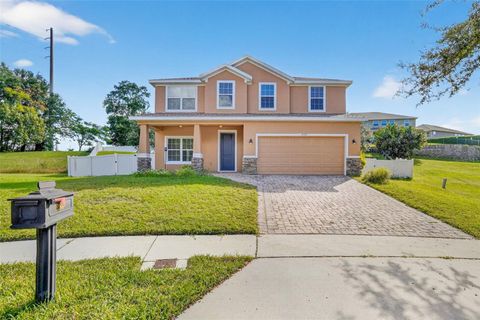
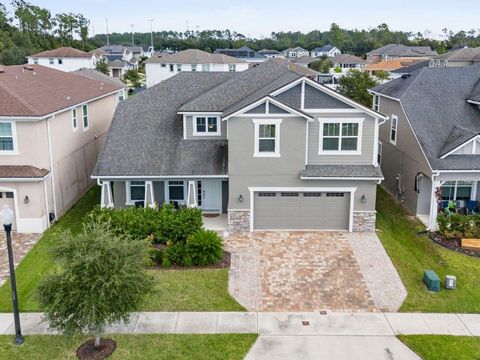
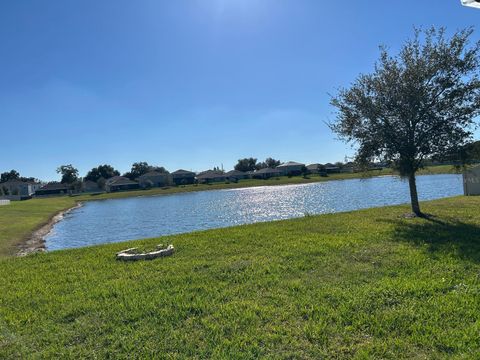
Now, I’m just going to put it out there. There’s a lot of areas, particularly around the lakes of central Florida, where people have houses built in 100- and 500-year flood plains. The majority of new construction, recently built, large builder-type products are not at all built in flood zones.
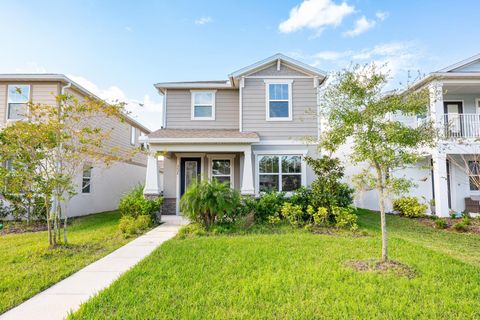
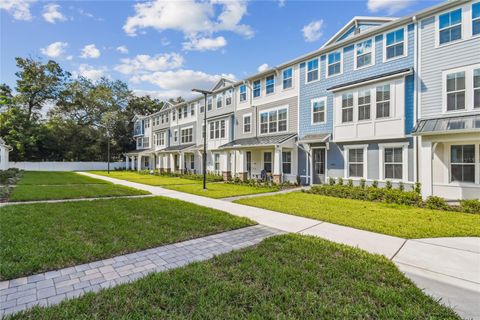
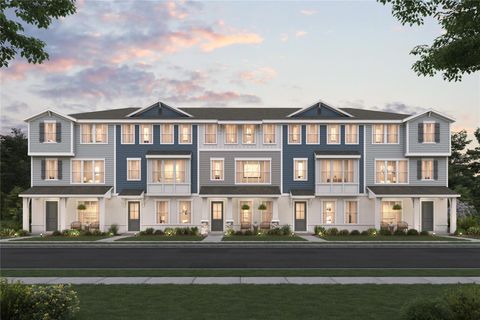
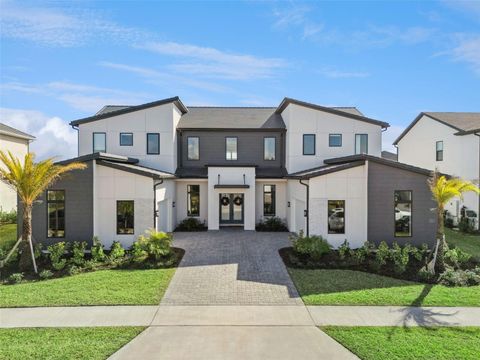
Most people think they got to do all this research on a standard house. Most of those builders that you know of, they’re not building in flood plains. It’s the little guy, the people that just decided to drop a custom home a block away from a big lake.
Now, we have people learn this the hard way because Hurricane Ian came in a couple years ago. And again, it came through central Florida. It wasn’t crazy in terms of wind impact, but it dropped a record amount of rain.
And the lakes in the area rose, and many of these houses had water up to the top of the first floor. You’re talking mega damage. You’re moving out of your house for a long time in those circumstances.
So number four, everybody wants to live on water, and a lot of people want to live on the lakes. So if you are living on the lakes, you need to watch the risk of flooding, particularly where your dwelling is built. It’s one thing if the back three or four feet of your rear yard is in a flood plain, but it’s another if your house is.
Now, the other thing that can happen, particularly in areas with a lot of power lines above ground, is there can be delays in having your power service resumed. Now, a lot of people are mitigating this by buying batteries for their solar system. A lot of people are adding whole house generators or at least a partial generator to cover cold food during the hurricane.
But power outage is a possible reality. Now, in Hurricane Milton, I’d tell you probably 25% of the people that I know lost power, and most of them are back in business inside of 24 hours. And that’s not altogether uncommon.
But if this is a high concern for you, you can check with Duke Energy and see if you can get some power energy maps to see where the outages were after the most recent storm, for instance, a day after Milton came through. But if you’re new to Florida, welcome to the state. The most important things you need to know coming into a hurricane is get to the grocery store early and fill up those gas tanks at least three or four days out, because after that point, you are lucky to find it, or at minimum, you’re in a very long line to get it.
I’d also tell you if you have a sturdy house and you follow most of the advice I took, you’re probably never in an event where you’re having to evacuate for a hurricane living in the Orlando metro area. I think a lot of people that even took off in the most recent storm, they had to drive 10 hours to get up north to Tennessee or Georgia, kind of regretted it because they spent a ton of time driving when they could have just slept through the thing. But that’s it for now.
We’ll see you in the next one.
Best Realtor in Central Florida - Reach Out Today
If you’re ready to make a move in Florida’s real estate market, don’t hesitate to reach out. Contact Jared Jones at 407-706-5000 (call or text) or email info@jaredjones.com for professional guidance and personalized service that will help you achieve your real estate goals.
Why Choose Jared Jones?
As a top real estate agent with nearly 4,000 homes sold and over 20 years of experience in the Florida real estate market, I have the expertise needed to help you navigate today’s evolving landscape. Whether you’re looking to buy or sell, my deep understanding of market trends and personalized approach will provide you with the insights and strategies required for success.
Stay Ahead of Florida Real Estate Trends
Unlock insider knowledge and stay informed about the latest in Florida’s real estate market! Subscribe to Jared Jones’ YouTube channel for in-depth analysis, current news, and expert insights on real estate trends across the state. Plus, check out my other channel for a deeper dive into the Orlando metro area, where I explore what it’s like to live in and around these vibrant neighborhoods. Whether you’re buying, selling, or just curious about Florida real estate, my videos will keep you ahead of the curve. Hit the subscribe button and stay updated with the most relevant real estate information!
Search Homes in Orange County, Florida
Jared Jones Real Estate Team Serving All of Central Florida
- Osceola County
- Orange County
- Lake County
- Polk County
- Seminole County
- Volusia County
- Broward County
- Marion County
- Flagler County
- Brevard County
- Pinellas County
- Hillsborough County