

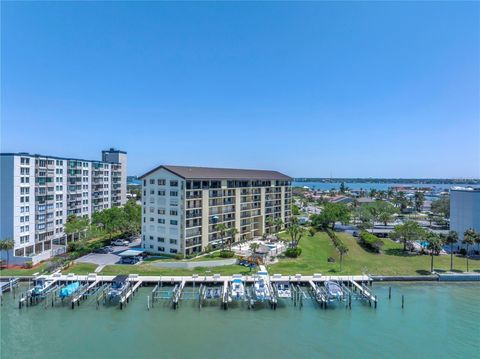

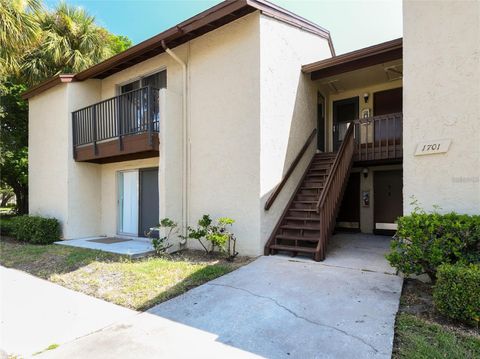
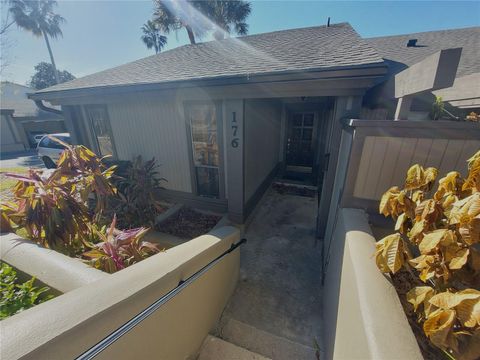
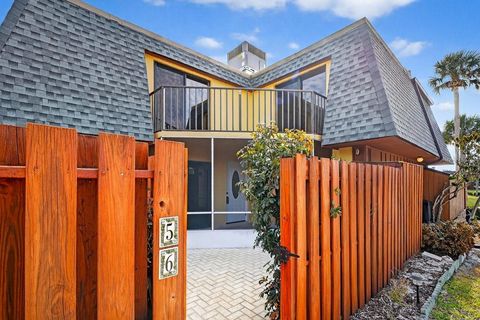
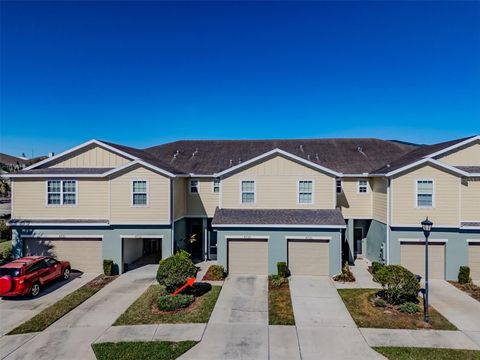
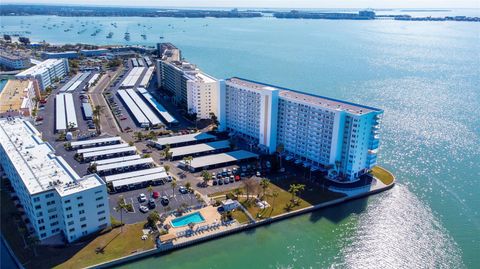

Six-Figure Assessments Driving Condo Owners Away
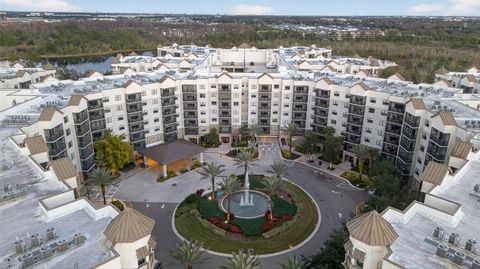
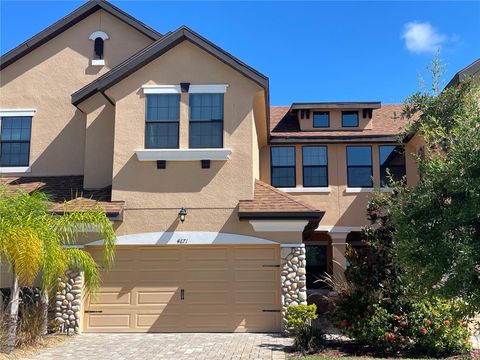
Some South Florida condo owners are being hit with six-figure assessments that are forcing them to flee. The HOA crisis here in Florida is reaching a level that’s hard to even imagine. There are condos where the owners are now having to pay over $2,000 a month in their HOA fees. Eventually, they’re going to be in a situation where they might lose their condo, and I’m seeing this quite a bit.
New Requirements Could Lead to Home Loss
New requirements for condos could lead to many hardworking families losing their homes. Even selling these condos is an issue because who wants to purchase a burden, right? Who wants to purchase an expense? These are orders of magnitude worse than any other market in the country, folks, and these are early warning signs. These bills have not even gone into effect as far as their deadlines are concerned, which is later this year and next year. When that happens, this already struggling category of marketplaces in Florida will be in an absolute depression by the end of next year and going into 2026. There’s just no other way to see it.
Florida's Housing Market in Trouble
Everybody, welcome back to the channel. Most people are talking about Florida because Florida right now is leading the charts in how much inventory of homes we’re seeing hitting the market. Everybody around the country is looking at Florida saying, “Wow, they went from golden child during the pandemic era to the redheaded stepchild.”
On the other side of all this growth and high cost of surging population comes home to roost, and that’s just half the story. Never mind the many other stories lurking beneath the surface, such as the fact Florida leads in rental declines. Nationally, rents are still climbing, but in Florida, all of our major markets have falling incomes on real property. You also have the never-ending list of updates regarding people who have paid off their homes up north, moved here to find that their insurance has absolutely exploded in cost, and the same for the many massive amounts of shadow inventory. Second homes that snowbirds up north like to occupy through the winter months when it’s freezing cold up north. All those properties are not only seeing massive hidden surging insurance costs but also property taxes rising along with the values.
Surging Inventory and Market Disparities
When you see all the articles out there trying to garner clicks, I understand everybody’s in business. You have the Newsweek articles, the Yahoo Finances, Florida inventory is surging, and they will talk about the fact that we’re up some 70% in the number of homes for sale compared to last year. But you have to understand that all the data everyone is reporting includes single-family homes plus the condo/townhome market. What’s lurking beneath that data is that it’s not single-family homes that are up 70%; they’re actually more around 60% higher than last year. Condos and townhomes are surging at more than 90%, and many of the major marketplaces around the state of Florida that have massive economies built with very high levels of condo/townhome markets are surging between 100% and, in some places like Naples, more than 240% in inventory, a literal nonstop SpaceX-like vertical move north with no end in sight.
Comparing Single-Family Homes to Condos
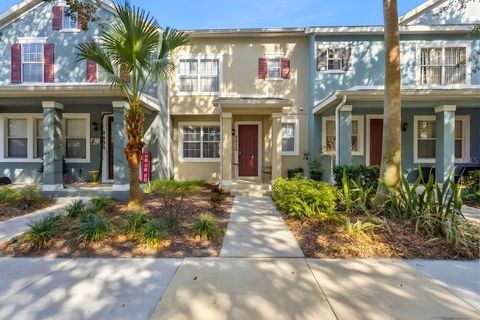
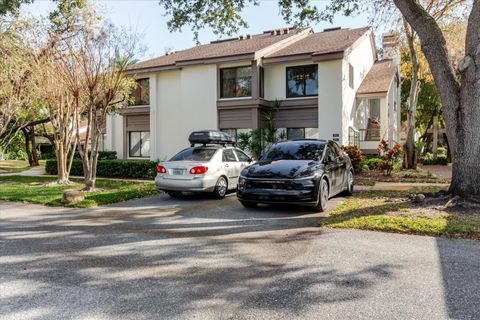
So while it’s easy to report on the numbers that everything is surging, condos themselves are massively worse than what’s happening in the single-family market. Single-family resales are up 60% year over year, but the condo market is up 91% year over year. The length of time that it would take to sell all the properties we have right now matches a number nearly eight months. A number we haven’t seen since 2012 when we were recovering from the last GFC. I know what you’re saying, “Jared, just relax. We’re back to pre-COVID. We’re back to normal. We have buyers, right? This is Florida. We have gold in the sand here, my friends. This is the most alarming statistic for the entire video. In 2023, Florida sold fewer condos than at any point in the history of Florida Association of Realtors’ available data on the state.”
You heard me right, fewer sales last calendar year than ever. And mind you, there are a lot more condos in Florida to sell than there were over the vast history of the data, which spans a little more than a decade. And what’s even crazier is 2024 is setting out to be even lower than 2023. All the while, inventory is absolutely surging. In this video, I’m going to unfold for you how dire the situation really is, and I’m going to tell you some crazy things that are coming up for this specific market segment that, no matter how you look at it, will make things much, much worse going into 2026 for this already burgeoning market segment. But I’ll also showcase for you the data of which markets are at most risk and what you should do about it if you’re either considering buying or you own one of these properties. Now, let’s get into the story.
Record-High Mortgage Levels Taking Their Toll
Record-high mortgage levels are starting to take their toll. The mortgage rate is at 14 and three-quarter percent. Ask not what the great reset can do for you. Ask what you can do for the great reset.
Having sold real estate for more than 20 years, I remember back in 2006 to 2010, many of those months had the eeriness of going, “Who’s buying all this real estate and where is it all coming from?” Now, the condo market segment, as I pointed out, is going through the same exact thing. You’re seeing a massive surge in supply that’s going unsold. For whatever reason, the buyers have absolutely left the market. We can lay aside that one of the major reasons buyers are very nervous is affordability. It’s already very expensive to purchase any type of real estate, not just condos. The reason why you’re going to see some shocking numbers in this market segment is that I believe you have a situation unfolding where not only can the buyer not buy it from the seller, but the seller can no longer afford to own it.
They’re in a situation where they’re in straits already. The cost of ownership has considerably elevated. The water levels are getting higher and higher, and when you see what’s coming, the outlook is bleak for the future of any strapped homeowner feeling like they’re going to be able to handle the next couple of years in this market segment. Here’s what I mean.
Inventory Surges in Key Markets
Miami’s measure for how long it would take to sell off all its inventory, assuming no more listings were hitting the market, would take eight months at the current rate of buyers. Jared, what’s the big deal? Well, just in June last year, it took four months to solve the inventory, but the shelves are bursting with no buyers. Let’s look at Daytona Beach. It’s far worse. Miami has been so popular that even up to last year, the condo market was humming, but Daytona Beach has been in shock with rising and surging inventories for the past two years.
Now they’re further down the path, and in Daytona Beach, at the pace current buyers are purchasing, it would take nearly a year for all inventory to sell there. This is a supply number not seen in Daytona Beach since 2012. We’re talking record highs. The Naples condo market supply is going straight up. It looks like it’s sponsored by SpaceX. The inventory in Naples is a whopping 230% plus year over year. It’s literally straight up the chart.
Gulf Side and Panhandle Markets
Switching to the Gulf side, Sarasota Bradenton has a supply that has doubled in the past year where moving season, the condo numbers went up to 3,600 units here. That is a 13-year high for this marketplace. The Tampa Metro, Treasure Island, all of those areas, just hit 6,100 condos. This is a number not seen in Tampa since 2011. For owners across the Panhandle, Pensacola and the Panama City metro areas are up 146% and 90% year over year in the amount of inventory surging. These are both 11-year high numbers for both of these markets. We’re going coast to coast, southeast, west side, Gulf Panhandle is no different. Fort Walton and Destin, faring only slightly better, are running eight-year highs with more than 90% on the market compared to a year ago. You can see it over and over again. Lots and lots of sellers are pushing these properties into the market, but there are no buyers to buy them.
Factors Exacerbating the Market
This is coupled with many factors already preexisting in the marketplace, but it’s getting exacerbated by new issues that are going to absolutely pour gasoline on this fire. I’m a Floridian at heart through and through. I don’t take joy in sounding this particular alarm, but to fully understand exactly who is in the crosshairs of this problem, we have to go back to a major tragedy that just occurred here in Florida.
The Sunrise Tower Collapse and Its Aftermath
It’s hard to believe that three years ago was the last opportunity we had to hug our loved ones and tell them how much we love them. The tragic collapse of the Sunrise Tower in Miami occurred on June 24, 2021. This devastating event resulted in the loss of 98 lives. Investigations revealed that the building had significant structural issues, including deteriorating concrete and insufficient waterproofing, which were not adequately addressed. Over the years, engineers found that water seeping into the concrete broke it down and created weakness. The collapse highlighted the urgent need for stricter building inspections and maintenance to prevent such tragedies in the future.
Legislative Response to Structural Issues
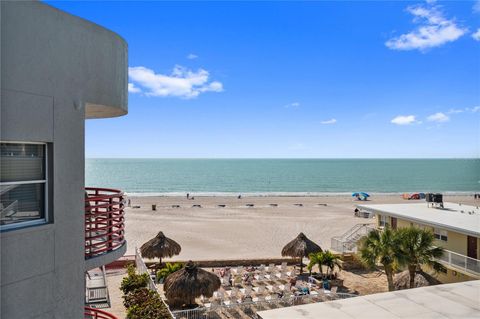
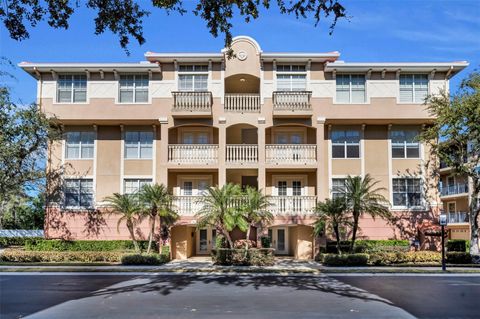
Why is this so important? In Florida, 20 to 30% of our entire marketplace is condo/townhomes. Places like Miami West, Fort Lauderdale, that entire metropolitan area has 65% of all sales revenues of dwellings in condos and townhouses. Florida is a massive peninsula. People want to buy condos here because you get elevated views. You can watch a storm surge rush in off the coast from the 11th floor of your building. Retirees like the view and low maintenance. You might find amenities like a rooftop pool, city and ocean views, less security risk when traveling, and other benefits. Many people are second owners of these properties, working off rental income or using them as Airbnbs.
After the Sunrise Tower collapse, Ron DeSantis and the Florida legislature passed two main pieces of legislation in 2022 directed at this situation. The Senate Bill 4D was designed to keep tall buildings safe, requiring regular inspections for buildings over three stories. The first inspection happens when the building turns 30 years old, then every 10 years. For buildings close to the coast, the first inspection is at 25 years old. House Bill 7069 ensures that condos have enough money saved upfront for repairs.
Increased Costs and Financial Strain
Regular maintenance like painting and roofing these buildings is already much higher, breaking many homeowners in the high elevated insurance cost circumstance. These bills themselves add increased costs to implement. We’re already seeing stories circulating where people are seeing assessments put into the condos to start anticipating initial costs anywhere from $10,000 to over $100,000 per unit.
Unwelcome Surprises for Residents
This area isn’t known for big money, and I was shocked because I didn’t think it would be that high. An unwelcome surprise, the notice was sent to residents just three weeks ago. Do we know we were told it was going to be that much? Special assessments and the staggering costs are gripping condo owners across the state, with some topping tens of thousands of dollars.
Board Members Resigning Over High Costs
I read a story recently where a board said, “Hey, we need $60,000 per unit,” and on that announcement, everybody, probably fearing for their lives, literally quit the board. They’re like, “We don’t need this. This is insanity.” Our board would like to have everything funded right now, but $60,000? I don’t know how many people have that kind of spare cash.
All of these buildings weren’t anticipating hiring architects and inspectors to do these types of services and build bids for these expensive projects. These are being anticipated, and some of them are not realized costs yet. This is what I’m saying: this is a pre-show. When you see this market shifting like it is and shuttering and being nervous, this is the pre-show.
Anticipating High Costs
I read a story recently where a board said, “Hey, we need $60,000 per unit,” and on that announcement, everybody, probably fearing for their lives, literally quit the board. They’re like, “We don’t need this. This is insanity.” Our board would like to have everything funded right now, but $60,000? I don’t know how many people have that kind of spare cash.
All of these buildings weren’t anticipating hiring architects and inspectors to do these types of services and build bids for these expensive projects. These are being anticipated, and some of them are not realized costs yet. This is what I’m saying: this is a pre-show. When you see this market shifting like it is and shuttering and being nervous, this is the pre-show.
Compliance Deadlines and Financial Pressure
Both of these bills went into effect on May 26, 2022. The deadlines on these bills, both of which passed in May of 2022, depending on when a building has reached 30 years of age, have to comply with the law as early as December 2024, and some after that in December of 2025. So, on one hand, you have the high cost of compliance with the bill, meaning you’re hiring all these vendors and doing all these things. On the other side, you have another bill that says you need all this money sitting in your bank account. Many tight associations are trying to keep expenses as low as possible.
Many retirees can barely afford to make ends meet. When they get that little notice letter saying, “Surprise, this law says we have to keep much, much more money on hand,” it forces a lot of people to make the decision to sell their property right away. So, it’s just a stack of bad news. The cost of ownership was already super high from COVID, and the change in law adds a whole lot more costs on top of that. Many of these folks are on fixed incomes.
Challenges for Fixed-Income Homeowners
Yes, I know you’re going to go in the comments and say, “Yeah, Jared, they’re all paid-off properties.” I could show you video after video of people with paid-off properties saying, “I can’t keep this anymore. I can’t afford the insurance. I can’t afford the HOA even fully paid off.” Even if they moved equity from another home to pay one off here, if they can’t afford the cost to cover it, they’re done. People are out.
For those with second homes and Airbnb or rental properties, cash flow is starting to dwindle according to media in the last 30 days. A lot of people have no other choice but to sell. The good news is that your property just shot up in value over the past four years, but you might just be giving a whole lot of that back.
You can’t negotiate your taxes down. You can’t negotiate for a different insurance company in many of these situations to save significant money. The only result to fulfill these reserve accounts and get these assessments paid back will most likely be transferring these properties at much, much lower purchase prices. The purchase price becomes the relief valve for this marketplace, and prices stumble.
Significant Price Rollbacks Expected
While that is sad news for many people who have their retirement wrapped up in the equity of their home, it’s probably why you see such a surging amount of people taking action to get out right now. The rollback in price could be vast. You could easily see people in this marketplace giving up all the equity growth from the entire COVID-era bubble. Prices could roll back to 2019, maybe even 2018.
The larger question is what happens to the newer buildings? As we know, the direct impact is being felt on the older buildings. In my real estate class some 20 years ago, I learned about progression and regression. The really nice house gets its value stolen by the smaller property. The lesser value property can be an anchor and pull down something nicer.
Market Effects on Newer Properties
In indirect ways, the nicer buildings will feel the effects of those other properties selling at much lower prices. Buyers might consider going into something older and saving a whole lot of money versus the newer one. Thanks to Peter from my channel who sent this to me saying, “Miami homeowners race to sell condos before 2025.”
An article says Miami’s housing market is flooded with aging condos, which owners are desperate to sell before strict new regulations come into effect later this year. The report found that older condos dominate the market. Ninety percent of active listings in southeast Florida are more than 30 years old. Newsweek cites condo owners in aging buildings rushing to sell before the physical examinations start, revealing structural defects.
Impact on Appraisals and Market Dynamics
If you’re an appraiser, it will be interesting to see how you handle this. You’ll have buildings in the area, a property across the street from a newer building. Those comps will be considered. Someone living in that area will consider both buildings. It will be interesting to see as prices correct if that lures would-be buyers from newer properties, causing prices to correct on those buildings as well.
It’s hard to suggest that any new properties reselling in this type of marketplace will escape some kind of price anchoring. These are interesting times, and if you are in these areas planning to sell, take a good look at the market shift. Make sure you are very prepared, that you’re smart with how your home is presented to the market, and that you price it accordingly.
Why Choose Jared Jones?
As a top real estate agent with nearly 4,000 homes sold and over 20 years of experience in the Florida real estate market, I have the expertise needed to help you navigate today’s evolving landscape. Whether you’re looking to buy or sell, my deep understanding of market trends and personalized approach will provide you with the insights and strategies required for success.
Best Realtor in Florida - Reach Out Today
If you’re ready to make a move in Florida’s real estate market, don’t hesitate to reach out. Contact Jared Jones at 407-706-5000 (call or text) or email info@jaredjones.com for professional guidance and personalized service that will help you achieve your real estate goals.
Stay Ahead of Florida Real Estate Trends
Unlock insider knowledge and stay informed about the latest in Florida’s real estate market! Subscribe to Jared Jones’ YouTube channel for in-depth analysis, current news, and expert insights on real estate trends across the state. Plus, check out my other channel for a deeper dive into the Orlando metro area, where I explore what it’s like to live in and around these vibrant neighborhoods. Whether you’re buying, selling, or just curious about Florida real estate, my videos will keep you ahead of the curve. Hit the subscribe button and stay updated with the most relevant real estate information!
Search Florida Condo and Townhouse Listings
Jared Jones Real Estate Team Serving All of Central Florida
- Osceola County
- Orange County
- Lake County
- Polk County
- Seminole County
- Volusia County
- Broward County
- Marion County
- Flagler County
- Brevard County
- Pinellas County
- Hillsborough County


